
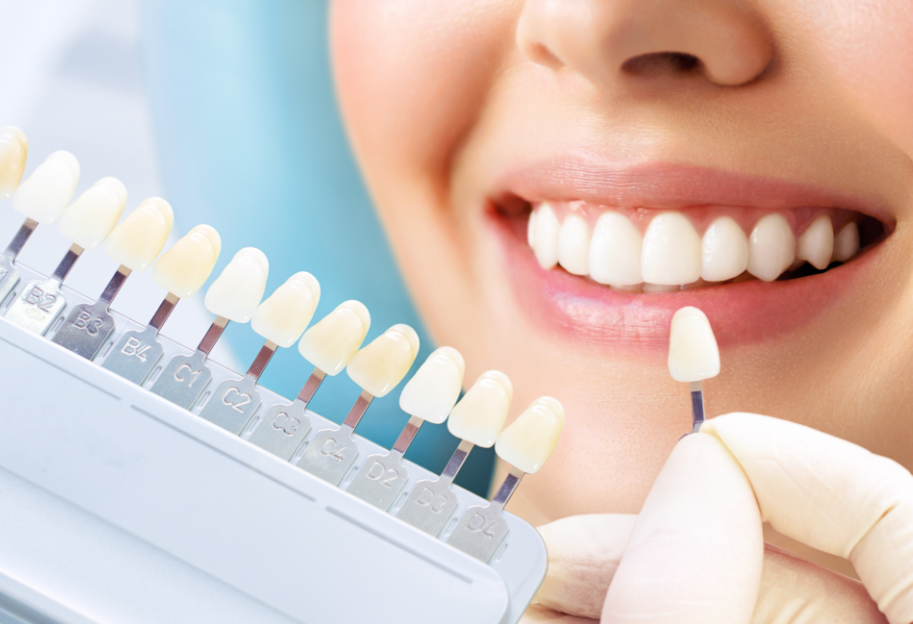
If you’re considering cosmetic dentistry to improve your smile, it’s completely normal to wonder whether the process will be painful. Many people delay treatment because they’re nervous about discomfort during or after a procedure. The good news is that modern cosmetic dentistry is designed with patient comfort in mind, and most treatments involve little to no pain at all.
Advances in dental technology, materials, and sedation options have made cosmetic procedures far more comfortable than many people expect.
Why Cosmetic Dentistry Is More Comfortable Than You Think
One of the biggest reasons cosmetic dentistry doesn’t hurt is the focus on minimally invasive techniques. Dentists aim to preserve as much natural tooth structure as possible, which reduces irritation and recovery time. Local anesthetics are commonly used when needed, ensuring that patients stay comfortable throughout the procedure.
For patients with dental anxiety or heightened sensitivity, additional comfort options may be available. These can include topical numbing agents, oral sedation, or other relaxation techniques that help take the edge off nerves and discomfort. Clear communication during treatment also plays a big role, as knowing what to expect can significantly reduce stress.
Common Cosmetic Procedures and What They Feel Like
Teeth whitening is one of the most popular cosmetic treatments and is generally painless. Some patients experience mild tooth sensitivity afterward, but it’s typically temporary and fades within a day or two.
Dental bonding, used to repair small chips or gaps, usually doesn’t require anesthesia at all. The process involves applying and shaping a tooth-colored resin, and most patients feel little more than light pressure.
Veneers may involve mild sensitivity, especially during the preparation phase, but local anesthetic is used to keep patients comfortable. Any soreness afterward is usually minimal and short-lived.
Clear aligner therapy applies gentle pressure to move teeth gradually. While patients may feel tightness or mild discomfort when switching to a new aligner, this sensation typically lasts only a few days and is a sign that the treatment is working.
How to Reduce Soreness After Cosmetic Dentistry
Even though cosmetic dentistry is generally comfortable, some mild soreness afterward is normal depending on the procedure. Fortunately, there are simple ways to manage it.
Over-the-counter pain relievers can help reduce tenderness or sensitivity. Applying a cold compress to the outside of the mouth can ease swelling or discomfort, especially after treatments involving the gums. Sticking to soft foods for a day or two can also help minimize irritation.
Maintaining good oral hygiene and following any aftercare instructions provided by your dentist will support healing and keep discomfort to a minimum.
When to Talk to Your Dentist About Pain Concerns
If pain is a major concern for you, it’s important to bring it up during your consultation. Your dentist can explain what each procedure feels like, discuss comfort options, and tailor the treatment plan to your needs. Everyone’s tolerance and experience are different, and open communication helps ensure a positive experience.
Cosmetic dentistry should feel empowering, not intimidating, and comfort is always a priority.
With the right approach and professional care, improving your smile doesn’t have to hurt.
About the Practice
Dr. John White and his dental team provide comprehensive cosmetic and general dentistry with a strong focus on patient comfort and personalized care. Our practice offers a range of cosmetic services, including teeth whitening, bonding, veneers, and clear aligner therapy. By combining modern technology with a gentle approach, patients achieve confident smiles in a relaxed, supportive, and pain-free environment.
Call us at (828) 684-3020 or request an appointment online.